Past appearance
7 March 2014
2nd Experimental Lyceum
Athens, Greece
Premiere
In Biljana Srbljanović’s political allegory, adults play children whose unsettling games expose inherited violence, hypocrisy and nationalism, questioning how families and society reproduce the structures of power.
2nd Experimental Lyceum
Athens, Greece
Premiere
“The heroes of this play are children.
However, they grow old and become children again, while they frequently change gender, accordingly.
This should not be surprising.
The actors, on the other hand, are not children.
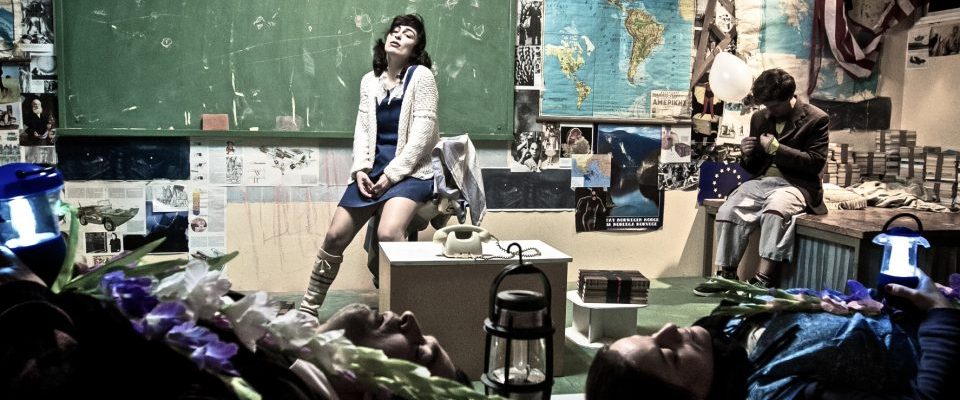
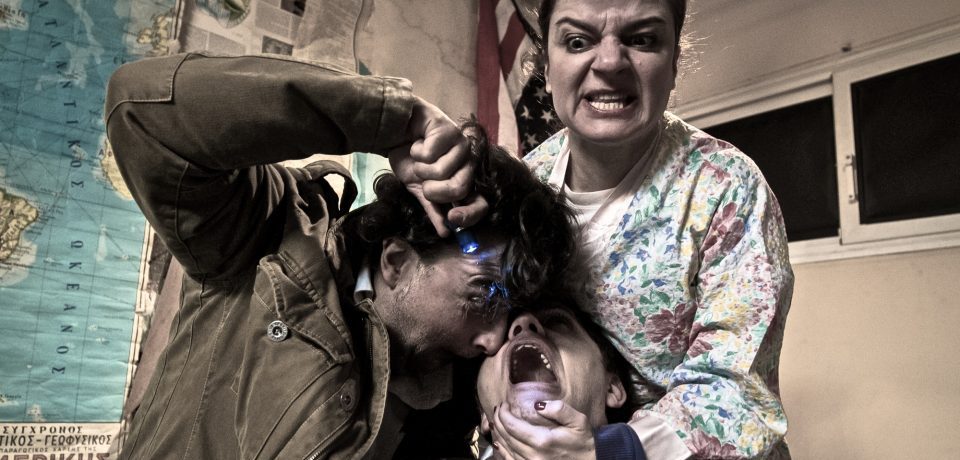
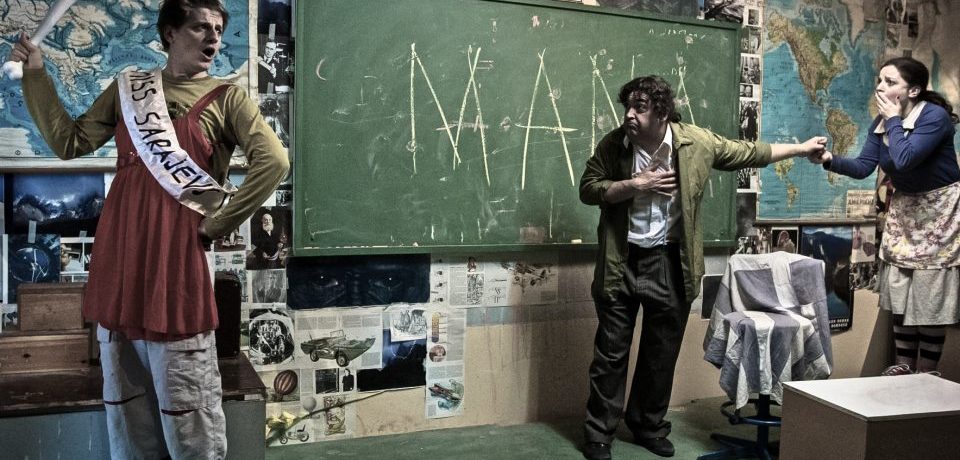
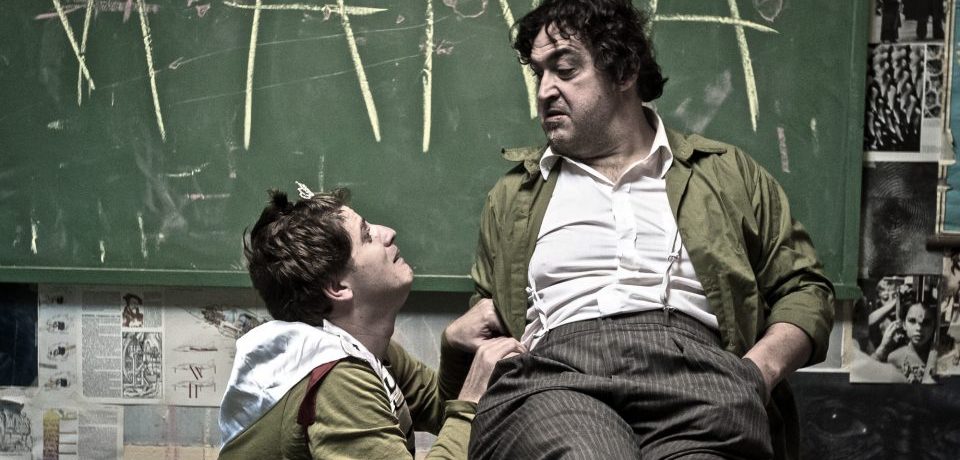
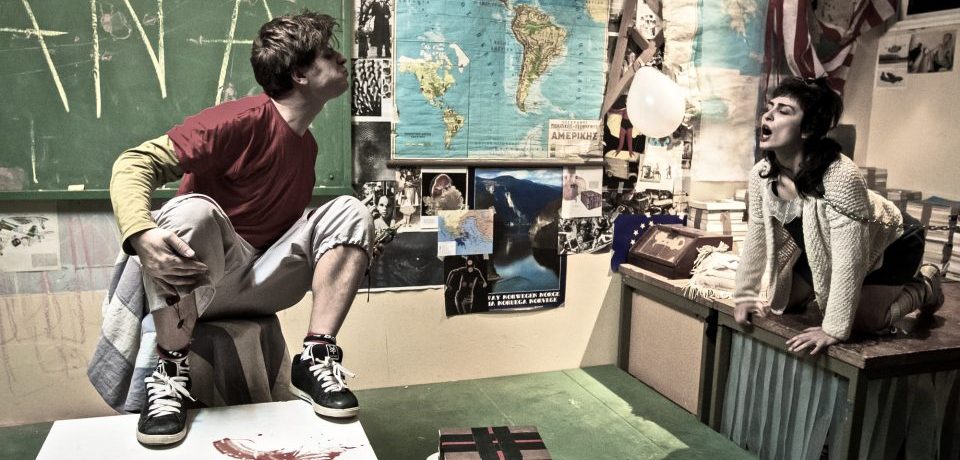
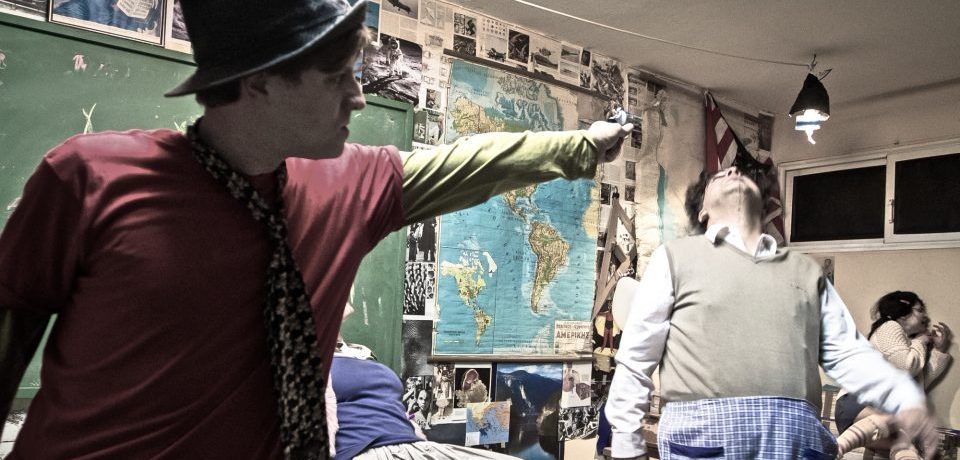
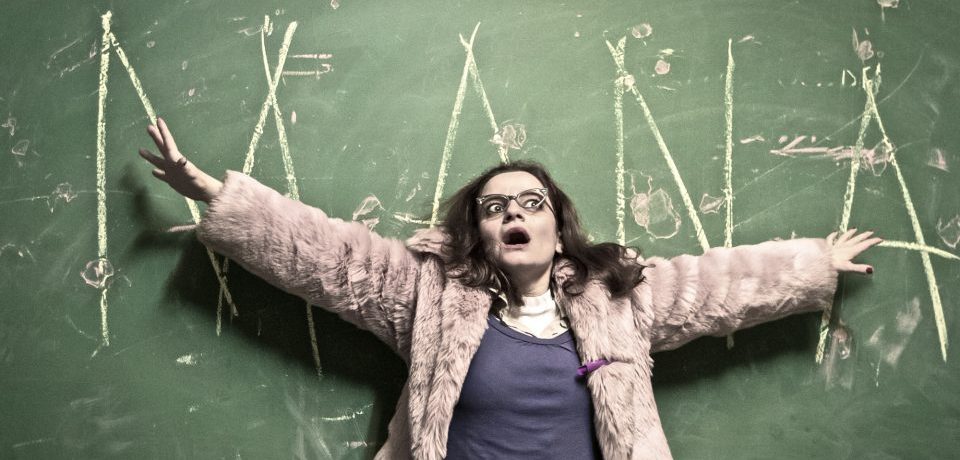
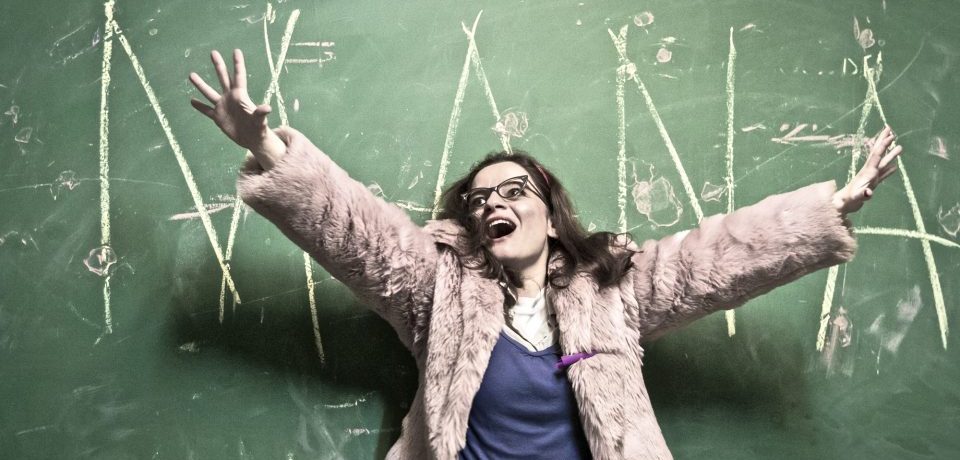
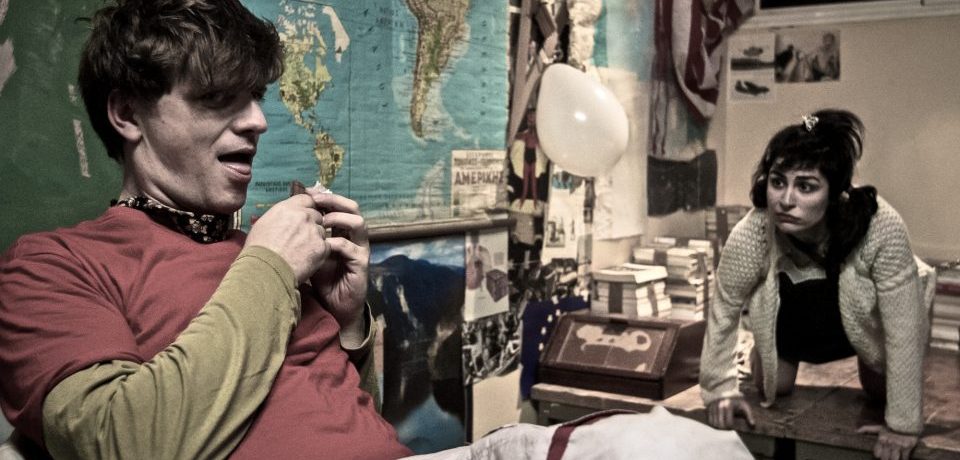
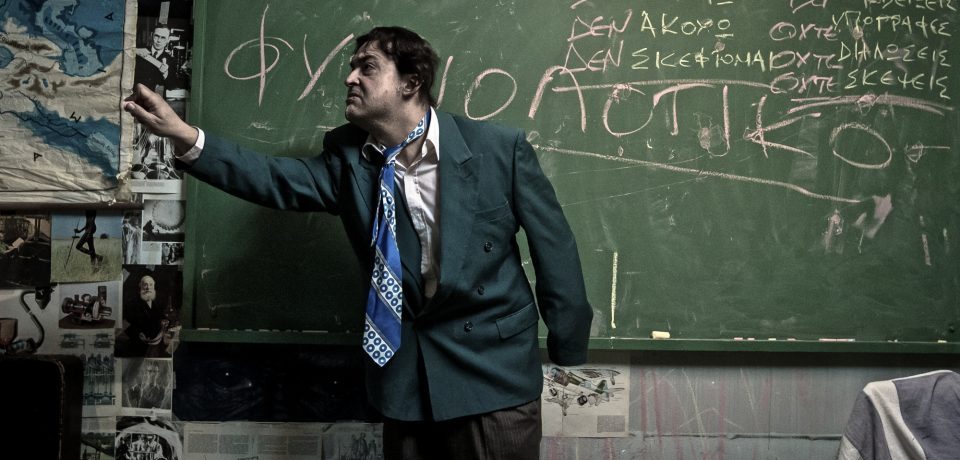
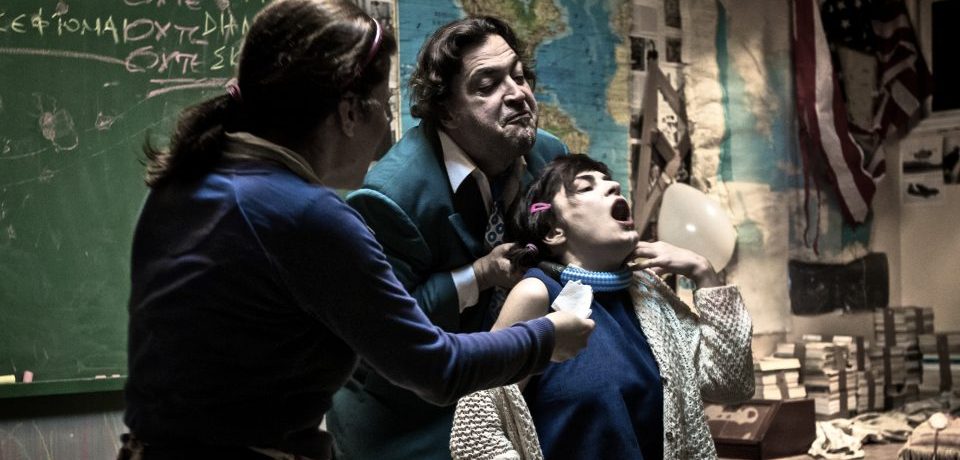
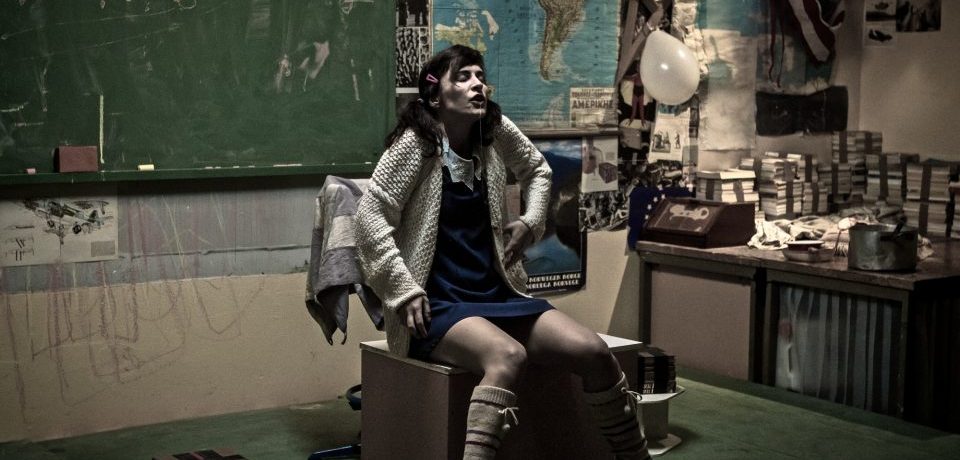
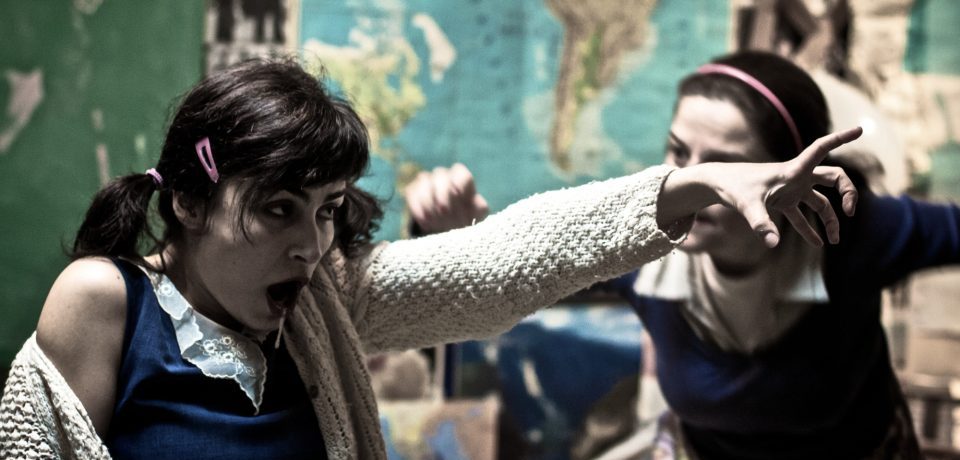
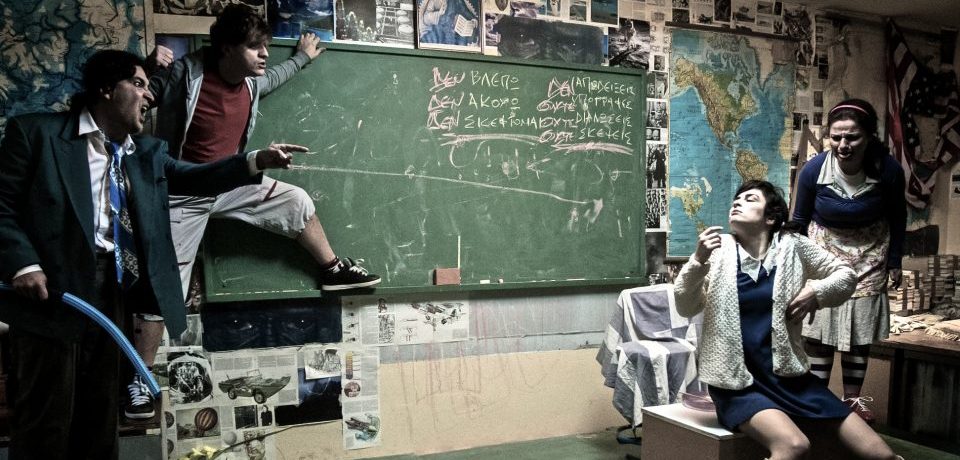
They are adults, who play the kids, who, in return, play the adults.
This should not be surprising, either.
There will be a superabundance of other things to be surprised at”.
The theatre play “Family Stories” by the Serbian activist, journalist and playwright Biljana Srbljanovic was written in 1998. It is a political allegory deriving from the historic experience of the disintegration of ex-Yugoslavia in order to depict, through an imaginative convention (adult actors who perform children who perform adults), the landscape of a society in deep crisis and moral decay. In grotesque, subtly hilarious and brutally cynical colors.
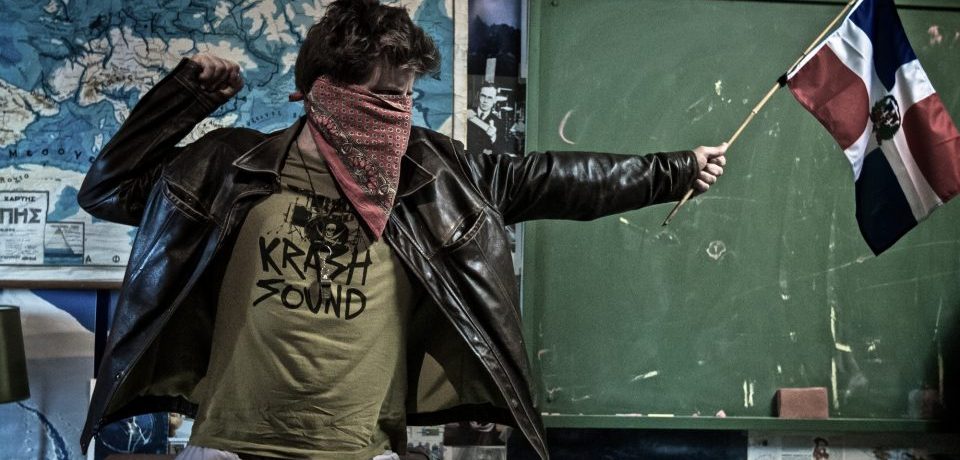
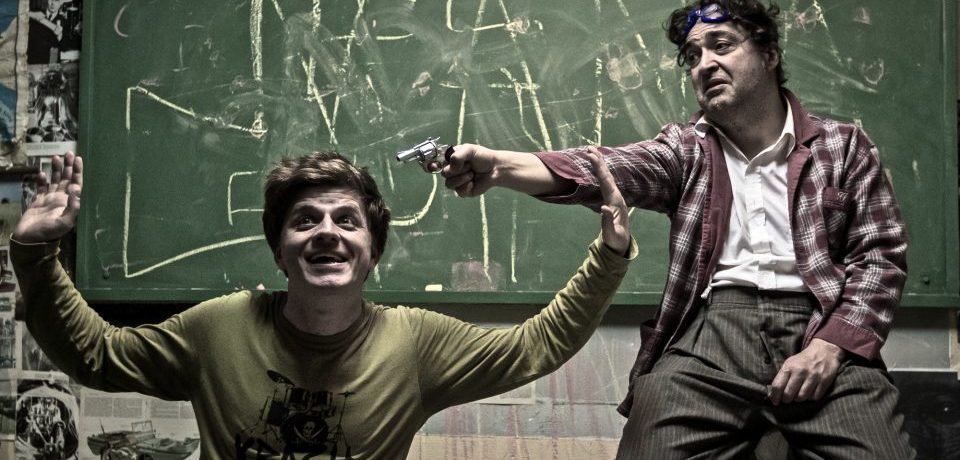
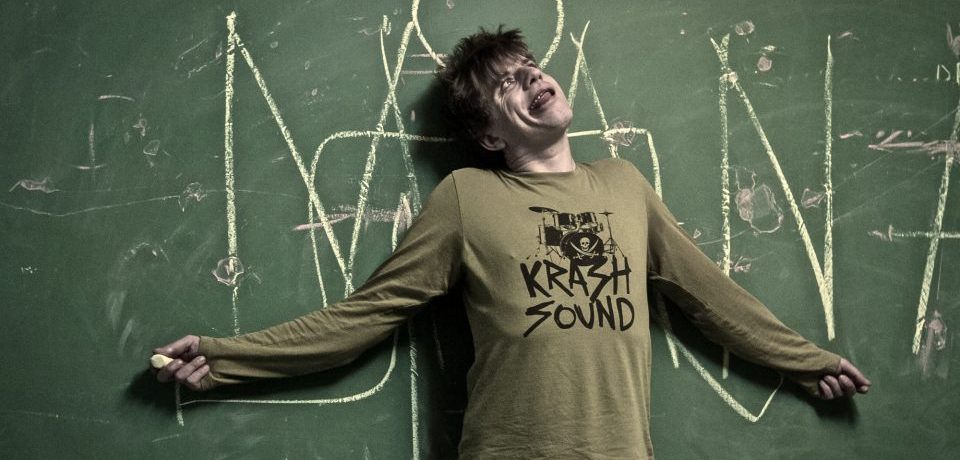
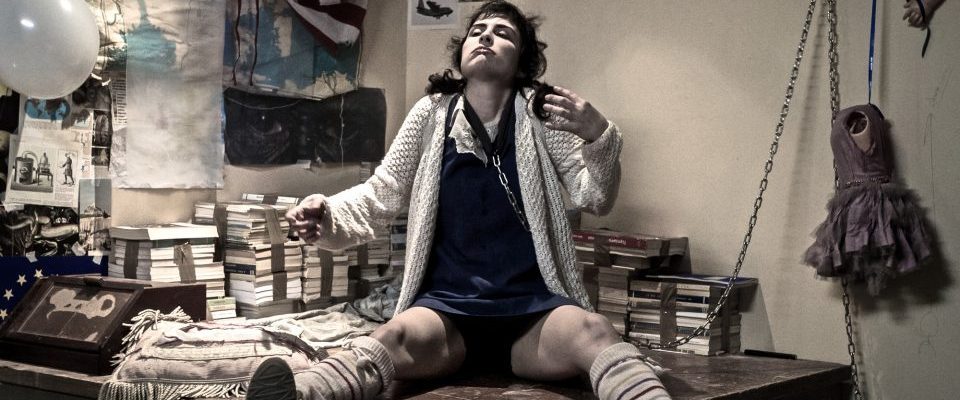
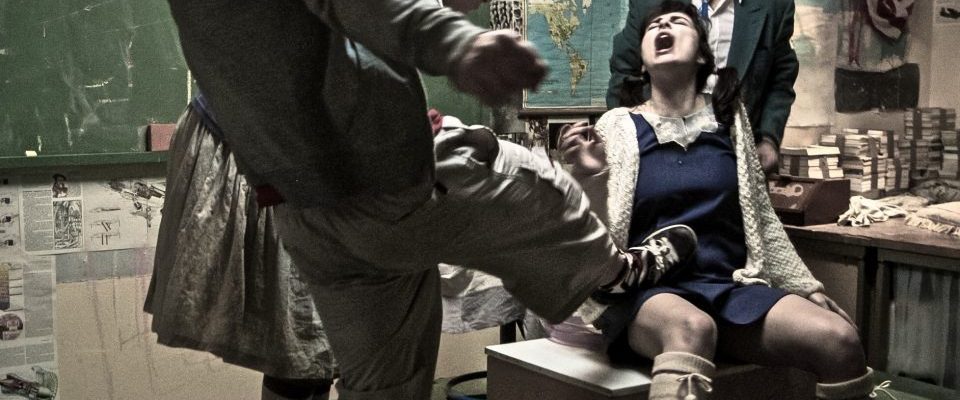
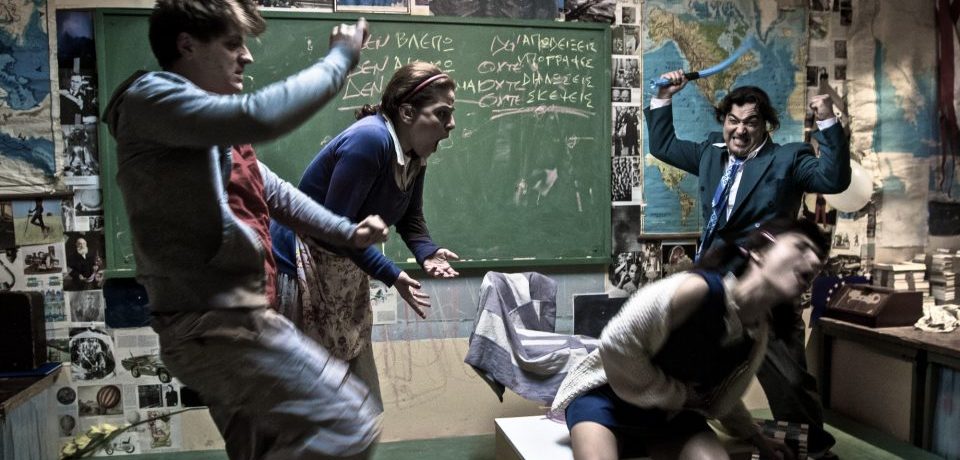
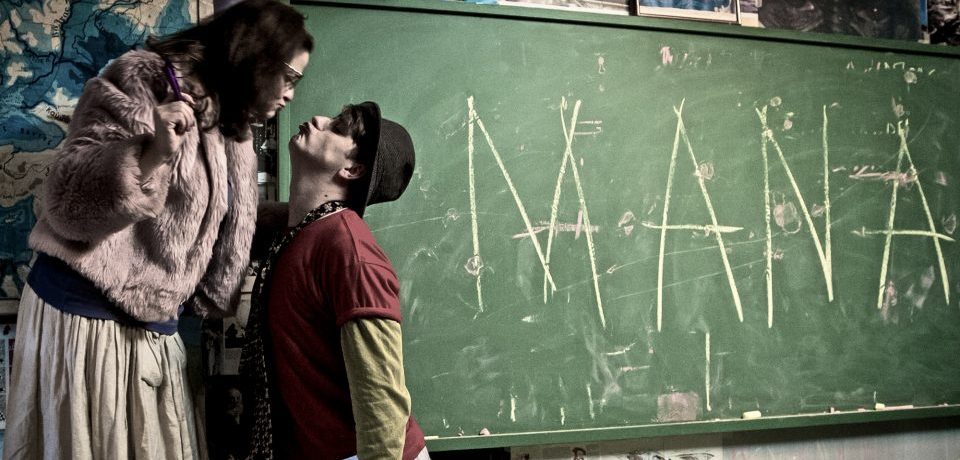
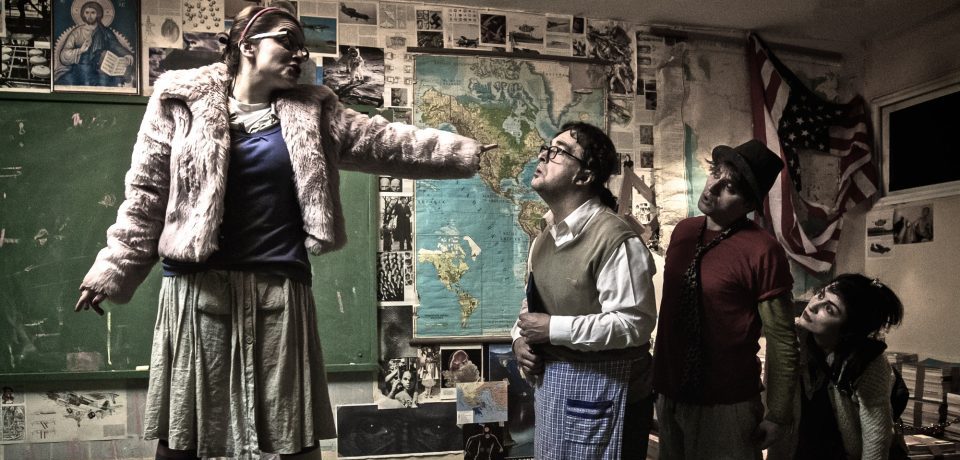
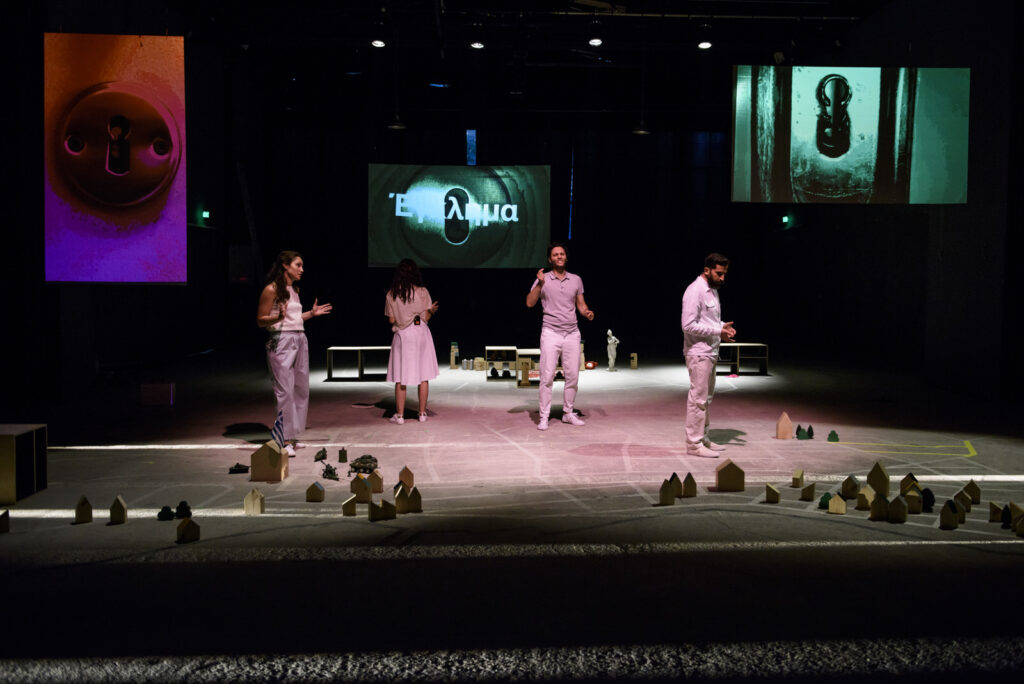
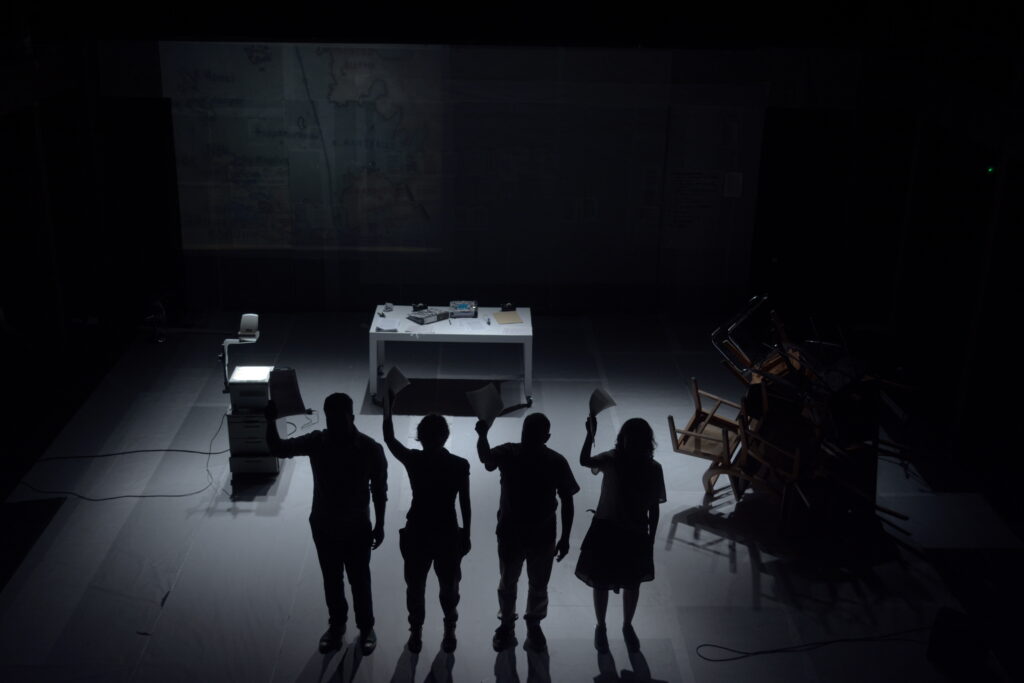
Four children in the ruins of a war-torn country.Their game – a mirror reflecting a world of suspicion, amoralism, betrayal, hypocrisy and passivity. But above all, a world of brutal and covert violence, where order, prosperity and security must be maintained at any cost.
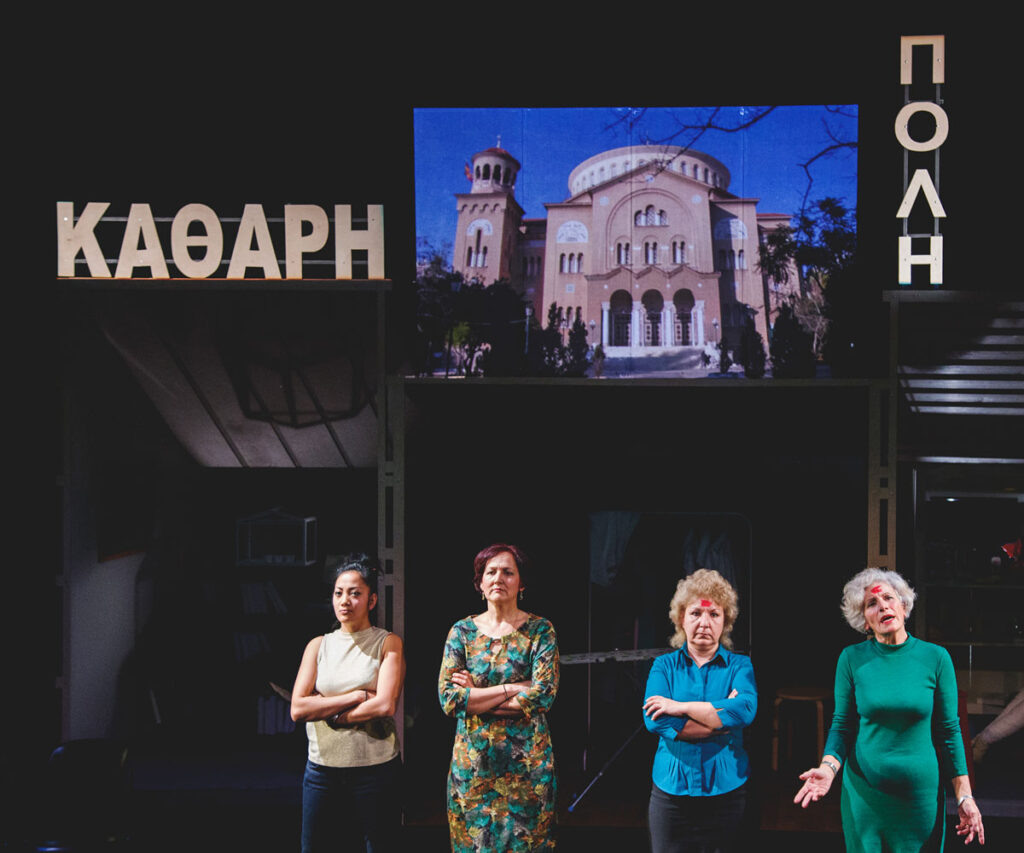
Their game – anything but innocent and harmless – imitates and represents models of “next-door-families”, all of them dysfunctional and ominous. What sort of food do they feed their children, the future citizens, with?
The mural of a world in moral, mental and political decline through children’s eyes is the focal point of this play, addressing crucial questions around the issues of political responsibility, nationalism, migration and the role of mass media and education.